The first morning I woke in Phuket, the sea carried a quiet, almost suspicious calm. The air tasted of salt and a cinnamon sweetness from the fruit stalls down the road. It was the kind of morning that makes you want to walk the shore for miles, picking up little pieces of shell and memory as you go. Phuket, in its most elemental form, is a place where white sand becomes more than a color. It is a feeling you carry into the day, a promise that the water will be there, cool and patient, when you need it most.
What makes Phuket special is not a single attraction but a tapestry of coastlines that each offer something a little different. Some days demand adrenaline and the flash of a speedboat cutting through blue, other days crave quiet coves with fishing boats bobbing in the distance and a horizon that feels infinite. The island’s best beaches sit at the juncture of accessibility and edge. They invite you to step beyond the usual postcard pose, to linger, to observe how the light slides across white sand and turquoise water as the day unfolds.
If you are here for a short spell, say two days or a long weekend, you can thread together experiences that feel like a full vacation of contrasts. If you have more time, Phuket rewards curiosity with layers—hidden beaches tucked behind limestone cliffs, long-tail boats that drift between bays, and sunset viewpoints that demand a pause. The key is to move with intention. Let your feet sink into the sand and follow where the sea air carries you.
A practical truth about travel in Phuket is that optimism will be your best companion. The island’s geography encourages both plan and spontaneity. Some days will be destined to break your expectations in the best possible way. Others will remind you that not every aim is meant to be conquered in a single afternoon. The joy is in the process—intersections between beach time, local food, and moments of real quiet that feel almost sacramental because they’re so simple.
White-sand coves sit along the Andaman coast in a way that is both inviting and, in a few places, surprisingly rugged. There are beaches where the sand feels like flour underfoot, pristine and powdery, and others where the grains are a touch coarser, warmed by the sun and shaped by the receding tide. In Phuket, the water is never far away, and the island’s topography—limestone outcrops, mangrove channels, and coral reefs—creates a natural theater for outdoor activity. Whether you come for snorkeling, a long hike through a forested hillside, or a night market that glows with neon and the sharp scent of grilled seafood, you’ll find a rhythm that suits you.
A day on the water in Phuket is not merely a leisure activity; it is a lesson in balance. You learn to pace yourself so the sea stays friendly, to respect the local culture by seeking knowledge about the places you visit, and to savor the slower moments when the world seems to hold its breath. The most memorable experiences often come from small, unscripted moments: a local guide sharing a quick, cheerful joke while you strap into a life vest, a child chasing a coconut into the shallow edge, a fisherman in a weathered hat beckoning you close to hear the story behind his nets.
Where to start when planning a trip with beaches as your anchor? The answer lies in choosing a home base that speaks to your priorities. If you crave a lively atmosphere with easy access to nightlife, food stalls, and a broader mix of travelers, you’ll likely love staying near Patong or Kata. If your ideal day revolves Bangtao tours around quiet coves and cheap, delicious masala fried shrimp that taste like a memory you hadn’t remembered yet, you’ll probably find your footing in the quieter corners around Kamala, Nai Harn, or Surin. Each neighborhood has its own tempo, and each tempo can be a gateway to a different beach experience.
The language of the sea is universal, but Phuket has its own vocabulary, too. Your day might begin with a weather check, a quick coffee from a seaside cafe, and a plan to chase the morning light to a certain cove. Or it might begin with a spontaneous boat ride that promises a loop between two or three little beaches, each with a story you’ll want to tell later over a plate of grilled fish. The best itineraries honor both structure and surprise. They allow you to check off what you wanted to see while remaining open to the unplanned snap of inspiration that arrives with the tide.
A practical note about movement in Phuket: distances can be deceptive. A short ride on a motorbike or a bright, air-conditioned minivan can ferry you from one sandy curve to another, but you’ll gain a deeper appreciation for how far apart some beaches actually feel once you step off the boat and walk along the shore. The traffic on some days can be lively enough to test patience, yet on others the drive becomes a pilgrimage of sorts, a way to witness how the island’s coastline shifts with the light. Plan conservatively, but build space into your day for the unexpected, because Phuket loves to surprise you at the water’s edge.
Let me offer a more granular map, based on my own journeys, of beaches that consistently deliver the white-sand dream with a side of adventure or quiet contemplation. Each stop has its own character, its own pace, and its own golf-ball-sized memory you’ll keep long after you return home.
The famous and the tucked away sit side by side on Phuket’s coast, and you’ll notice the contrast as soon as you wake at dawn and walk out of your hotel toward the sound of surf. The large, widely known beaches tend to have long stretches of sand that invite long walks, with beach clubs and shops lining the edges. The more secluded beaches require a little extra effort to reach, sometimes involving a hike through a sheltered trail or a ride in a small wooden boat, but the payoff is a landscape that feels almost intimate, as if you’ve discovered a private shoreline.
For adventurers, the sea offers a pantry of possibilities. Snorkeling along a reef teeming with small fish and bright coral is a frequent highlight, but the island’s interior offers equal reward. A hike to a vantage point over the Andaman Sea reveals a panorama that makes the heat and the effort worthwhile. If you’re willing to trade a portion of your beach time for a glimpse of the inland world, you will discover that Phuket’s limestone formations hold stories of rain, wind, and time that are older than many travelers realize.
The laundry list of things to see and do in Phuket Thailand could fill a small notebook, but what follows is a curated thread that many travelers wish they had known sooner. Think of it as a living guide you’ll adapt as you go, not a fixed script. It is written from the perspective of someone who has stood on these shores at sunrise and watched the day unfold, who has asked locals for recommendations, and who has learned to pack light but carry a sense of curiosity that makes even ordinary moments feel significant.
A morning routine most travelers quickly adopt is simple yet meaningful. Wake early enough to watch the first light spill across a white beach, sip a strong coffee, and consider a plan that blends movement with a little rest. The sea here waits for no one, and the best days often begin with a soft breeze and a distant trader’s whistle calling from a nearby boat. You’ll notice that the air is brisk where the water is cold and soft where the sun warms the sand. The trick is to harmonize your pace with the pace of the place.
The beaches of Phuket are more than a setting. They are a chorus of color and texture: the pale, almost almond-hued sand of certain coves; the deep blue of a clear morning; the greens of palm fronds that move in the slightest gust of wind. The best days ride on this natural rhythm, and the worst days are those when you push too hard against it. If you learn to read the sea here, you will keep safe and you will return with a library of stories about boats, docks, and evenings spent listening to waves against the shore.
Two days in Phuket can feel like a sprint or a soft transition, depending on how you pace yourself. If you want an intense, adrenaline shaped itinerary, you could begin with a sunrise kayak or stand-up paddleboard session along a mangrove-lined inlet, then switch to a fast boat that whisks you to a couple of offshore islands for snorkeling with a lunch of spicy seafood. The afternoon can dissolve into a hike near a cliff face, where the path narrows and the air smells of pine and salt. The day ends with a long, unhurried walk along a beach that glows amber as the sun sinks. The night markets become your palate’s playground, a chance to test bold flavors—the heat of chili, the scent of lemongrass, the bright squeeze of lime.
If your appetite leans toward a more relaxed approach, you can approach Phuket in smaller chapters. A morning could begin with a slow bicycle ride through a small coastal village, where you pause to watch a fisherman mend his nets, and a local baker slides a tray of soft, flaky pastries into a hot oven. Then you could split the day between quiet beach moments and gentle swims, with a midday lunch of curries and rice, followed by a siesta under a shade tree before returning for a sunset stroll along the coast. This divide between movement and rest is not just a schedule; it is a philosophy that helps you appreciate Phuket’s texture without burning out.
Now, to give you a sense of concrete options, here are two aspects of beach life in Phuket that tend to be the most talked about among visitors. The first is the paradox of accessibility. Phuket is a popular destination, and yet many of its paradises require a little extra effort to reach. The second is the way the island balances tourism with local life. The beaches remain places of joy and release for visitors, but they are also living spaces for people who earn their livings from the water and the land. In many places you will hear Thai spoken with a lilt that makes the conversations feel intimate, almost like a conversation you would have with a neighbor, not a tour guide.
If you’re coming to Phuket with a sense of adventure, here are a few practical ways to translate that into actions on the sand and in the sea. The plans below are not meant to constrain you but to offer a language for talking about what you want the day to feel like. If you want the best of both worlds—activity and rest—you can easily blend elements from both. Let the day unfold in a way that suits the moment.
To help you orient, I’ll describe a few beaches and the experiences they are best at delivering. Nai Harn Beach is a wide crescent of white sand that feels almost hyperreal in the morning light. The water is clear and shallow for quite a distance, making it ideal for families and for snorkelers who want to observe sea life without venturing far from shore. The beach has a calm vibe most days, with gentle waves that are forgiving to beginners. In the late afternoon, the sun sinks behind the rocky headland, and the beach takes on a warm caramel hue that lingers long enough for a slow stroll back to town.
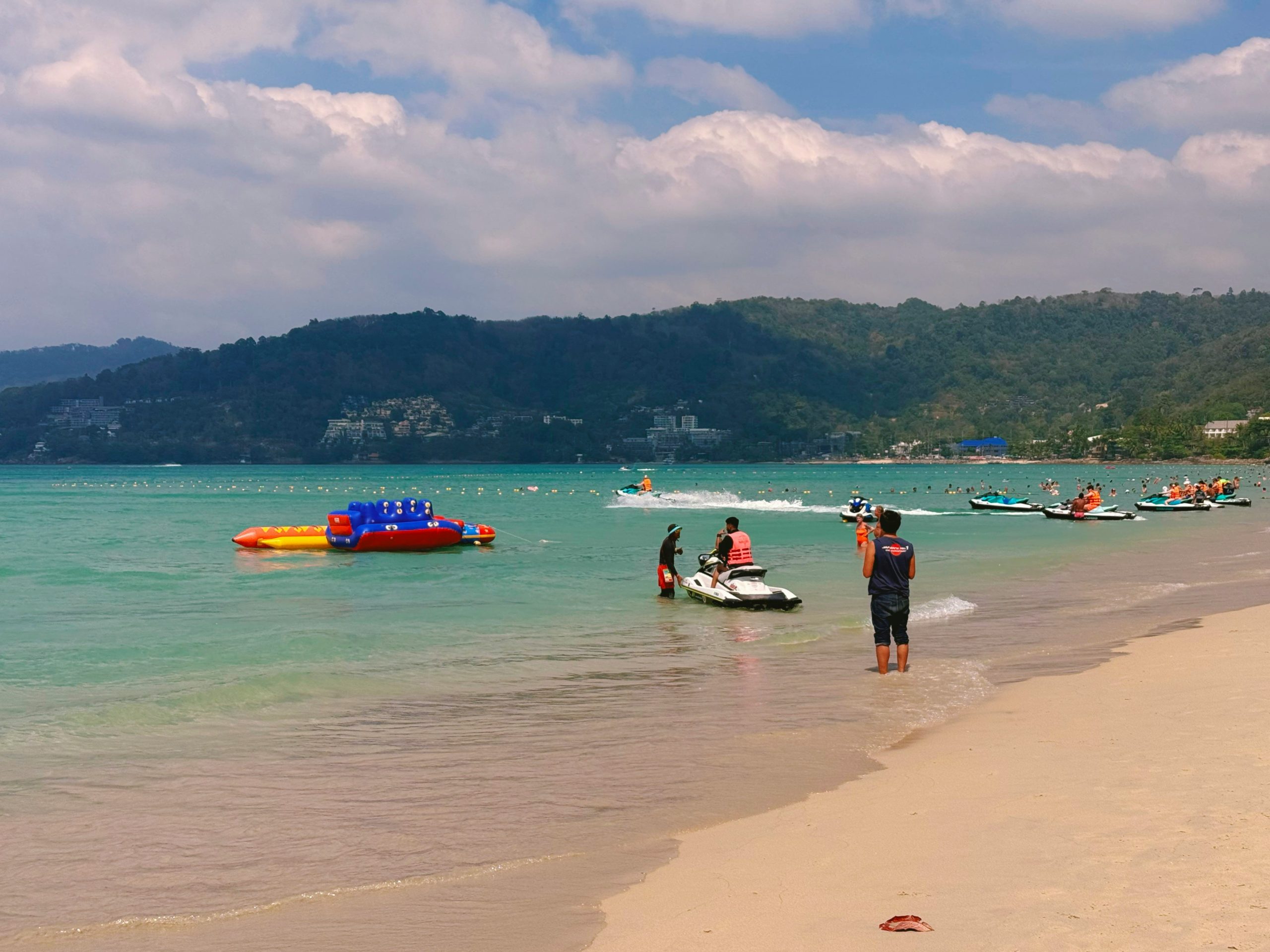
Patong Beach, on the other hand, is a different energy entirely. It is a place where energy gathers in the streets and the waterline is crowded with boats, parasail lines, and a chorus of music from nearby bars. If you want to feel the pulse of Phuket, Patong offers it in tangible quantities. You can take a long-tail boat ride that includes a stop at a nearby island for snorkeling, but you will also want to spend a portion of your time wandering the markets and trying a fried chicken skewer or a coconut dessert that arrives warm in a paper cup. It is not a place to escape the world but to observe it in its most vivid, unfiltered form.
On the more tranquil side, Surin Beach sits behind a row of palm trees and boutique restaurants that feel crafted for the traveler who wants a slightly elevated experience without losing the sense of barefoot simplicity. The sand is soft and white, and the water often wears a turquoise sheen that invites a few hours of snorkeling near a rocky fringe. The vibe here can be refined and quiet, but you will still find a handful of surfers catching small waves at certain times of the year, a reminder that Phuket accommodates both stillness and motion in equal measure.
For a truly memorable afternoon, consider a boat trip that sails you past several beaches in a single journey. A typical day might start with a short ride to a nearby pier, where a wooden long-tail boat awaits. The captain shares a quick overview of the route: a couple of sheltered coves, a shallow reef, and finally a hidden beach that requires a bit of careful footing to access. The boat glides through the water with a soft hum, and the spray from the bow mists your sunglasses in a way that feels almost cinematic. You anchor at the first spot, slip into the water with a mask and snorkel, and swim among small fish that move like dappled sunlight through the sea. The crew passes around a cooler of drinks, and you realize you have entered a day that refuses to be a simple checklist.
The next leg takes you to a cove that feels almost secret, where a cliff forms a natural amphitheater around the beach. Here the silence is thick with the sound of the water sliding over rocks, the distant hiss of a lazy wave breaking, and the occasional call of a seabird. You take another dip, and when you climb back into the boat, you feel the warm sun on your shoulders and a sense that you have earned a small slice of paradise. The final stop, a beach that has remained off the principal tourist routes for years, offers a generous stretch of white sand and a shallow bay that invites a final, lazy swim. It is not a place you would want to rush through; it begs a long moment of quiet, a chance to watch the water move with a mind of its own.
If you want to go deeper into the water without straying too far from the shore, Phuket’s snorkeling options are robust enough to satisfy even modest expectations. The coral formations near the Similan Islands can offer a more dramatic underwater landscape, but you do not need to travel that far to glimpse a thriving microcosm. Within a short boat ride from some beaches, you can find a protected reef where parrotfish, clownfish, and a rainbow of small species perform their daily choreography. The trick is to take time to wade in slowly, letting your eyes adjust to the light, and to avoid wearing harsh sunscreen that can damage the delicate life beneath the surface. A quick wash of the hands after the swim is more than hygiene; it helps protect the reef and keeps the experience sustainable for future visitors.
If the plan leans toward cultural immersion, Phuket offers a few opportunities that connect beach days with the island’s broader traditions. A short drive from some beaches is a village where you can watch artisans at work and sample a local style of satay or noodle dish that captures the flavor of Thai home cooking. It is easy to tell a tourist from a traveler by the way they approach a meal. The traveler asks questions, tastes carefully, and observes without insisting on being entertained. The local cooks and shopkeepers respect this approach, and you will often find they are more generous with tips and more patient with your attempts at Thai phrases. A memorable evening might begin with a sunset view at a quiet beach, followed by a tasting menu that highlights the sweet and spicy notes that define southern Thai cuisine.
In all of this, the weather remains a wild card. The monsoon season brings intense rainfall, but it also creates a lush, vibrant landscape that feels almost theatrical in its intensity. The dry season brings clearer skies and calmer seas, which makes it easier to stack activities into a single day. If you plan your trip across the shoulder months, you can enjoy a balance of favorable seas and smaller crowds, a nuanced tempo that suits travelers who prize quiet experiences as much as they prize adventure. The best advice is to monitor the daily forecast and to remain flexible. Phuket’s beauty often lies in the way the day shifts as the air changes, and a plan that can bend with the weather is a plan that can still deliver something memorable.
Two lists to help you plan and reflect, each one small but potentially meaningful in the context of a longer trip.
- A compact gear and safety checklist Sunglasses with UV protection Rash guard or quick-dry shirt for sun and gentle seas Water-resistant pouch for valuables Snorkel set if you have your own preferred fit A lightweight waterproof bag for quick beach storage A few practical, doable in Phuket decisions Choose a base with easy access to multiple beaches but not in the most crowded zone Allocate a half day or a full day for a boat excursion to nearby coves Reserve evenings for markets or a quiet seaside dinner Prioritize breathing room between activities to avoid heat fatigue Respect local customs and ask before taking photographs of people or places
Let me close with a sense of what makes Phuket’s beaches so enduring. They are not simply places to lie down and soak up sun. They are venues where the day reveals itself in a series of mini-dramas: the moment a long-tail boat glides past a headland and the water brightens to an almost emerald green; the way the wind shifts and a palm frond shakes out a small shower of rain toward the sand; the delight of discovering a beach with just the right blend of powdery sand and clear water that invites a long walk and a longer memory. The island invites you to be active and to be still in equal measure, to test your boundaries in the water and then step back to feel the earth beneath your feet. It is this balance that makes a beach day on Phuket feel like a small, continuous adventure rather than a single act.
The sense of adventure here is not tied to conquest. It is about curiosity sustained across hours and days. It is about trying a new dish with a cautious mouthful, asking a question of a guide, or feeling the first spray of water on your face as a boat rises over a small wave. It is about listening to the sea talk back in a language you only partially understand and recognizing the humility that comes with that realization. And it is about returning home carrying a map of places you felt, a collection of tastes that linger, and a willingness to return when the call of the white sand becomes too strong to ignore.
If you leave Phuket with one firm impression, let it be this: the island does not demand bravado. It rewards the honest, patient approach—the reader of the sea who learns to watch, wait, and then act with intention. The beaches with white sand are not just photos in a guidebook. They are experiences that you carry through the day and into the nights that follow. They become stories you tell your friends, not because you want praise for a brave itinerary, but because you want to share a memory of a moment when the world seemed to slow down long enough for you to notice your own breathing, your own heartbeat, and the way the water moves in time with them.
In Phuket, you rarely finish a day and feel that you have done enough. You are reminded of something older than any itinerary you could have written: there is always another beach to discover, another reef to explore, another stall selling a bright fruit shake that tastes like sunshine in a glass. If you stay open, if you walk with your senses awake rather than with a checklist in your head, you will find that the island gives you what you sought before you even knew you were seeking it—an invitation to belong to the moment, if only for a while, on a stretch of white sand where the water has a way of making you feel almost part of the color itself.